
That bag that looks perfect online can turn annoying fast once you start using it every day. Maybe it slips off your shoulder, barely fits your essentials, or looks great for one outfit and wrong for the rest. If you are figuring out how to choose everyday handbags, the best place to start is not trend alone. It is your real routine, your daily essentials, and how much wear you expect for the price.
An everyday handbag should make getting dressed easier, not more complicated. It needs to work for coffee runs, workdays, errands, casual dinners, and those last-minute plans that happen when you are already out. That is why the right choice is usually the one that balances style, comfort, space, and price instead of chasing one feature only.
How to choose everyday handbags for real life
Start with what you actually carry. Not what you think you should carry, and not what fits inside a tiny going-out bag. Lay out your phone, wallet, keys, makeup basics, hand sanitizer, tissues, sunglasses, and anything else that always comes with you. If you carry a small notebook, charger, or tablet, include those too.
This gives you a quick reality check on bag size. A compact crossbody may look sleek, but if it is overstuffed by noon, it will not feel like an everyday bag for long. On the other hand, a large tote can hold everything, but it may feel bulky if your daily essentials are minimal. Everyday handbags sit in that sweet spot – enough room without becoming a carry-all that weighs you down.
The next thing to check is opening and access. A bag can have the right dimensions and still be frustrating if you have to dig around for your phone every five minutes. Zip-top styles feel more secure and are great for busy days, commuting, or shopping. Open-top totes are quicker to use, but they work best if the inside has good compartments or if you like using small pouches to stay organized.
Pick a shape that matches your routine
Shape matters more than many shoppers expect. Structured handbags look polished and hold their form well, which makes them a strong choice for office wear or more put-together outfits. They also tend to make a simple outfit look cleaner. The trade-off is that very structured bags can feel less flexible when you need to squeeze in one extra item.
Soft slouchy bags feel relaxed and easy. They work well for casual outfits, shopping days, and day-to-day wear when comfort matters most. The downside is that some soft bags lose shape over time or make it harder to find smaller items inside.
Crossbody styles are one of the easiest everyday options because they keep your hands free. They are practical for commuting, walking, traveling around the city, or running multiple errands in one trip. Shoulder bags can feel slightly more elevated and are easy to slip on and off, but they should sit comfortably under your arm without sliding constantly. Top-handle handbags look smart, though they are not always the best all-day choice unless they also come with a longer strap.
If you want one bag to cover the most situations, a medium-sized shoulder bag or crossbody usually gives the best range. It works with jeans, dresses, workwear, and weekend outfits without feeling too formal or too casual.
Material affects price, look, and upkeep
When shoppers think about how to choose everyday handbags, material is where value really shows. You want something that looks good without needing high maintenance. For daily use, smooth faux leather, pebbled finishes, and durable synthetic materials are often the most practical choices at affordable prices.
Pebbled textures are especially forgiving because they hide small scratches and wear better than very glossy finishes. Smooth materials can look sharper and more polished, but they may show marks faster. Fabric bags can be lightweight and casual, though they are usually better for relaxed outfits than all-purpose styling.
Hardware matters too. Zippers should move easily. Straps should feel securely attached. Decorative details can look trendy, but too much hardware can make a bag heavier than expected. If you carry your bag for long hours, that extra weight adds up.
Color also plays a bigger role than trend pages suggest. Black is the easy default because it works with almost everything and hides wear well. Beige, taupe, brown, and muted gray are also strong everyday choices if your wardrobe leans lighter or more neutral. If most of your outfits are simple, a rich burgundy, olive, or deep navy can still act like a versatile everyday bag while adding more personality than plain black.
Comfort is not optional
A handbag can be stylish, affordable, and roomy, but if it is uncomfortable, you will stop reaching for it. This is where strap drop, width, and weight all matter. Thin straps can dig into your shoulder, especially if the bag gets heavy. Wider straps usually feel better for longer wear.
Check how the bag sits when worn. A shoulder bag should tuck in naturally without feeling too tight under the arm. A crossbody should hit at a flattering and functional length, ideally adjustable. If the strap is not adjustable, think about your height and how you like bags to sit.
Weight is one of the most overlooked details. Some handbags feel fine when empty and surprisingly heavy once you add your daily items. If you already carry a lot, choose a lighter bag material and avoid oversized hardware. The goal is everyday ease, not a shoulder workout.
Style should fit more than one outfit
The smartest handbag buy is usually not the flashiest one. It is the one you can wear four or five days a week with different looks. Before buying, picture the bag with your actual wardrobe. Does it work with denim, casual sets, office outfits, and simple dresses? Or does it only match one style of outfit?
Minimal designs tend to give you better repeat wear. Clean lines, simple hardware, and classic shapes usually last longer in your wardrobe than heavily embellished styles. That does not mean your bag has to be boring. A chain detail, contrast stitching, textured finish, or modern silhouette can still keep it current without making it hard to style.
If you like trend-led fashion, the easiest way to stay on budget is to keep your everyday handbag fairly versatile and use smaller accessories or occasional bags for trend moments. That way, your main bag keeps earning its place while you still get the fun of fresh styles.
Price matters, but value matters more
Affordable fashion does not mean buying the cheapest option every time. A low price is only a good deal if the bag actually gets used. When comparing handbags, think about cost per wear. A bag you carry three times a week for months is far better value than one that was cheaper but sits unused.
Look at stitching, lining, closures, and strap attachment points. These details tell you a lot about how the bag may hold up with regular use. Product photos should show enough angles to judge shape and compartments. Reviews can also help flag practical issues like stiffness, size surprises, or whether the color looks as expected.
This is where retailers focused on affordable fashion, like Go Factory Price, appeal to practical shoppers. You can try current shapes and useful everyday styles without paying luxury-level prices, which makes it easier to choose based on real use instead of pressure to make one expensive bag do everything.
How to avoid the most common handbag mistakes
Many everyday handbag mistakes come down to buying for fantasy instead of routine. The tiny bag that barely fits your phone may be cute, but it is not going to help on a normal weekday. The giant tote may seem practical, but if it becomes a dumping ground for everything, it will start to feel messy and heavy.
Another common mistake is choosing a bag that is too trend-specific. If a style is having a big moment but already feels hard to pair, think twice before making it your main daily bag. There is nothing wrong with trends, but your everyday handbag should still make daily dressing easier.
One more thing – do not ignore closures and compartments. For some shoppers, one large compartment works best. For others, internal zip pockets and sections make a huge difference. It depends on whether you like everything visible or prefer a bag that keeps your essentials separated.
A quick way to make the final choice
If you are down to two or three options, ask yourself four simple questions. Does it fit what I carry every day? Is it comfortable for at least a few hours? Can I wear it with most of my wardrobe? Does the quality feel worth the price?
If a bag gets four yes answers, it is probably a smart buy. If it only wins on looks, keep scrolling. Everyday handbags should still be stylish, but the real win is finding one that looks good on Monday morning, works on a busy afternoon, and still feels like the right choice by the weekend.
A good everyday bag does not need to be complicated or expensive. It just needs to fit your life well enough that reaching for it becomes automatic.
Shop Related Products
-
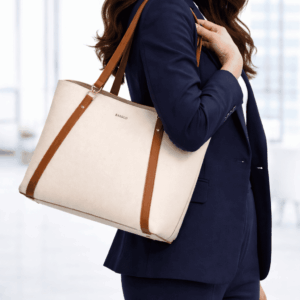
BAGGCO Women’s Premium Canvas Office Tote Bag (CB066)
Original price was: 120 AED.95 AEDCurrent price is: 95 AED. -
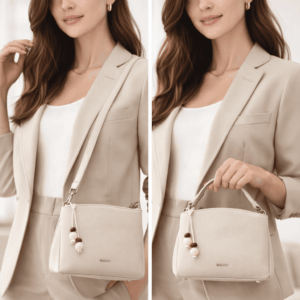
Elegant BAGCO Women’s Elegant Convertible Shoulder & Handbag (CB071)
Original price was: 150 AED.95 AEDCurrent price is: 95 AED. -
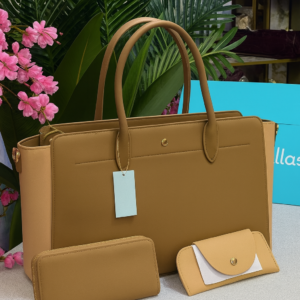
CHRISBELLA 3-in-1 LAPTOP BAG SET (CB048)
Original price was: 190 AED.159 AEDCurrent price is: 159 AED. -
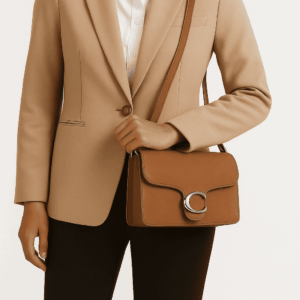
Women’s Classic Black Shoulder Bag (CB054)
Original price was: 169 AED.95 AEDCurrent price is: 95 AED.